Immediate-Use Steam Sterilizer (STATIM): When and How to Use It Safely in Healthcare Settings
Kelli Ngariki • November 24, 2025
A practical guide for dental and medical teams on safe STATIM sterilizer use, based on CDC and Oregon OSHA guidelines.
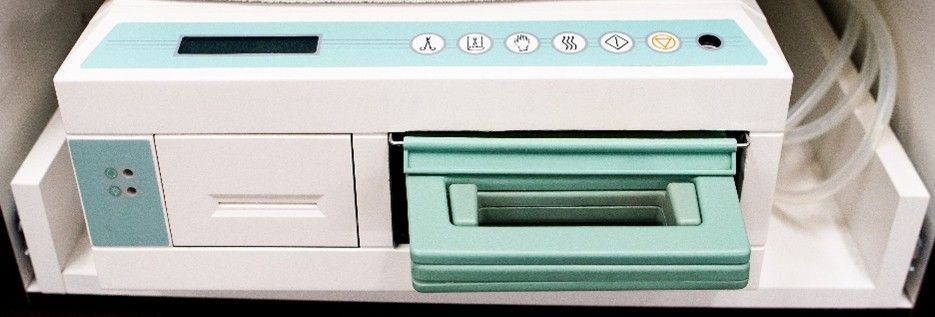
In fast-paced dental and medical clinics, it’s tempting to rely on a STATIM sterilizer—a type of immediate-use steam sterilizer—to quickly process instruments. But using this device appropriately is critical to patient safety and regulatory compliance.
This post breaks down when and how to use STATIM sterilization based on CDC flash sterilization guidelines, helping small healthcare practices stay compliant without cutting corners.
What Is an Immediate-Use Steam Sterilizer (STATIM)?
A STATIM sterilizer is a specialized piece of equipment used for immediate-use steam sterilization (IUSS), formerly known as flash sterilization. It’s designed to rapidly sterilize medical and dental instruments that are urgently needed for patient care—not for routine or convenience-based use.
When Is It Acceptable to Use a STATIM Sterilizer?
According to CDC sterilization standards, STATIM use is acceptable only when:
• The instrument is urgently needed and there’s no time to sterilize using standard packaging and storage methods.
• It’s not being used to compensate for having too few instrument sets or to save time during busy periods.
CDC Guidelines for Flash Sterilization: What You Must Do
Following these steps will help you stay compliant with CDC and OSHA infection control requirements:
1. Limit Usage to Urgent Needs
Only use STATIM sterilization for instruments needed immediately for patient care.
2. Do Not Use for Convenience
Avoid using it as a way to speed up workflow or compensate for inadequate inventory.
3. Thoroughly Clean Instruments First
All instruments must be fully cleaned and decontaminated before entering the STATIM cycle.
4. Do NOT Store Unwrapped Items
After sterilization, transfer instruments (or handpieces) directly to the point of use in a sterile container or tray. Never store unwrapped items.
5. Use Approved Containers Only
Only use flash sterilization containers or trays designed for high-temperature steam.
6. Monitor All Sterilization Cycles
• Use biological indicators at least weekly.
• Use chemical and mechanical indicators in every STATIM cycle.
7. Prevent Contamination During Transfer
Maintain a clean transfer process. Ensure that items aren’t contaminated during handling or transport.
Best Practices for STATIM Sterilizer Use in Dental and Medical Clinics
• Keep backup instrument sets available to reduce reliance on immediate-use cycles.
• Ensure staff are trained on STATIM operation and CDC sterilization protocols.
• Document and log every STATIM cycle, including indicator results.
• If your clinic is frequently using the STATIM for convenience or to keep up with patient flow, consider investing in an additional autoclave to support proper instrument processing and reduce compliance risks.
Learn More from the CDC
For detailed guidance on sterilization in healthcare settings, visit the CDC’s official page:
Strong infection control isn’t just about guidelines—it’s about how your dental practice operates day to day.
The way instruments are handled, PPE is used, and procedures are carried out in the clinical space affects both infection control and OSHA compliance. Issues in these areas are often identified during OSHA inspections, exposure incidents, or infection control reviews.
Our FREE OSHA Compliance Risk Review helps dental practices understand how their safety and infection control efforts are functioning by identifying:
- Workflow or physical-space issues that may increase exposure risk
- OSHA gaps related to PPE, training, or exposure controls
- Areas where OSHA and CDC infection control expectations overlap
It’s a simple, no-obligation way to confirm whether your safety systems support both staff protection and patient care.
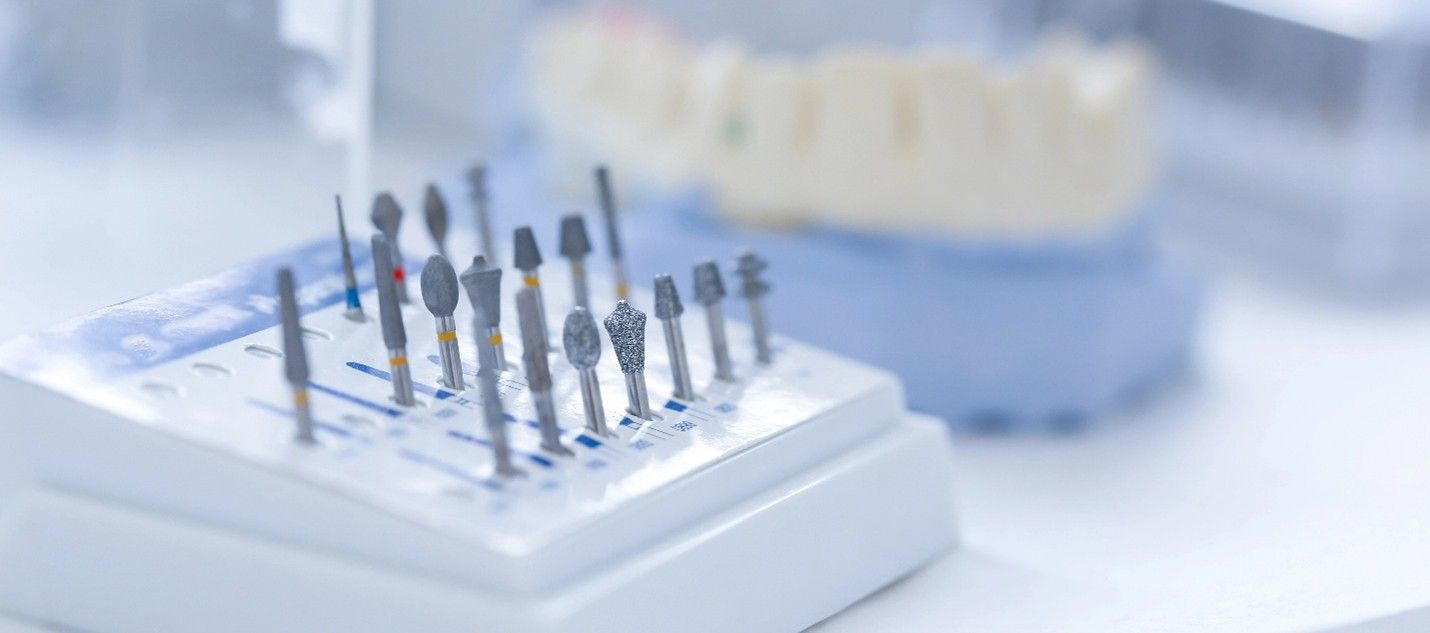
If you've ever wondered about the right way to clean and sterilize dental burs, you're not alone. The CDC gives general guidance for sterilizing dental instruments, but doesn’t get into bur-specific details. Regardless of which autoclave you use, the process for burs remains largely the same. Here's how to do it right. The CDC's Take: General Guidelines The Centers for Disease Control and Prevention (CDC) classifies burs as critical or semi-critical instruments, depending on how they’re used. That means they need to be heat sterilized. But before you toss them in the autoclave, they need to be properly cleaned and packaged. Step-by-Step: Best Practices for Burs Here’s how to apply infection control principles in your practice: 1. Identify Your Burs Single-use or Reusable? Check manufacturer instructions. If there are no validated reprocessing instructions, consider the bur single-use and toss it after one use. 2. Pre-clean and Inspect Remove debris immediately after use. Use an ultrasonic cleaner or manually scrub with a detergent or enzymatic solution. Rinse and dry completely. Inspect for damage or wear. If damage, wear, or corrosion: Remove the bur from use (even if minor damage) Discard it in the sharps container For quality control and tracking, consider documenting the discard and the reason. Never try to repair or reuse. 3. Packaging for Autoclaving Best Practice: Use a Bur Holder or Cassette Place burs in a bur block, bur guard, or instrument cassette designed for sterilization. Choose holders that are autoclave-safe (heat-resistant and able to withstand moisture). Then wrap or pouch the holder itself—not the loose burs. Bonus Tip: Some bur blocks come with color-coded or numbered slots so you can standardize bur sets per procedure. If you're using a pouch: make sure the bur holder fits comfortably and the pouch is sealed with chemical indicators inside. Use sterilization pouches or wraps approved for steam sterilization. For small batches, individual pouches work fine. Larger loads can go in wrapped cassettes. Seal all packaging properly and include internal and external chemical indicators. 4. Load Placement in the Autoclave Place pouches paper side up (or follow your pouch manufacturer’s instructions). Don’t overcrowd the trays. Allow space between items. Do not let pouches or cassettes touch the chamber walls. Cassettes should be placed horizontally unless your autoclave manual says otherwise. 5. Choose the Right Cycle Pick the cycle that matches your packaging: "Pouches," "Wrapped Cassettes," or similar. Make sure to allow full drying time to prevent moisture-related contamination. 6. Post-Sterilization Handling Let packs cool and dry fully before handling. Store in a clean, dry area away from sinks or contamination zones. Reprocess any items in compromised packaging. A Note on Sterility and Performance Burs are small and intricate, making them tricky to clean. Over time, reusing them can reduce cutting efficiency and increase the risk of breakage. Keep track of how often burs are reused and inspect regularly. Documentation Matters Make sure your infection control manual includes: Bur inventory (type and classification) Manufacturer instructions for cleaning and sterilization Step-by-step packaging and sterilization protocol Inspection and discard criteria Final Thoughts Using your autoclave the right way means following a solid protocol: proper cleaning, smart packaging, and correct cycle selection. When in doubt, refer to the bur manufacturer's IFU and document everything. Ready to Step Up Your Compliance Game? Book a Compliance Risk Review with us today. We'll evaluate your sterilization protocols, OSHA readiness, HIPAA safeguards, and infection control practices to make sure your office is fully protected and audit-ready. Don’t wait for an inspector to find the gaps—let’s fix them now. Call Lindsay at 541-345-3875 ext. 3 .

The Temptation: “Bleach Kills Everything… Right?” When biofilm builds up in dental waterlines, it’s tempting to grab that familiar bottle of bleach and think, “This will take care of it.” But here’s the truth: while bleach does kill bacteria, it can also damage your equipment, corrode your lines, and void your warranties—all while failing to meet the requirements set by the CDC and EPA for dental unit waterline treatment. The Science: Why Bleach Fails the DUWL Test Dental waterlines are delicate systems that require a balance of disinfection, safety, and equipment compatibility. Here’s why bleach (sodium hypochlorite) doesn’t belong anywhere near them: Not EPA-Registered for DUWLs: The EPA maintains a list of antimicrobial products approved for dental unit waterline use. Bleach isn’t on it. Using an unregistered product puts your practice out of compliance and at risk during inspections. Corrosive to Dental Equipment: Bleach corrodes metal fittings, valves, and plastic tubing, leading to leaks and costly repairs. It also degrades O-rings and adhesives inside the dental unit—issues that can cause long-term system failure. Doesn’t Rinse Cleanly: Bleach leaves chemical residues that are difficult to flush completely, creating a potential safety hazard for both patients and staff. No Validated Instructions for Use (IFUs): Without IFUs for dilution or contact time, there’s no safe way to know how much bleach (if any) could be used without harming your unit—or your patients. The Safer, Smarter Way to Shock and Maintain Your DUWLs To eliminate biofilm safely, choose EPA-registered products that are specifically formulated for dental waterlines and validated by equipment manufacturers. Common and trusted options include: Hydrogen peroxide–based systems (e.g., ProEdge Liquid Ultra, Sterilex Ultra, Mint-A-Kleen) Silver-ion systems (continuous maintenance tablets) Iodine or peracetic acid formulations These products are tested for: Compatibility with dental materials Safety for patients and staff Proven effectiveness against biofilm Real-World Lessons: Quick Fixes = Costly Problems One hygienist shared her experience: “We tried diluted bleach as a quick shock because we were low on supplies. Two weeks later, we failed our waterline test—and had to reschedule four patients.” Shortcuts might seem efficient, but they often result in failed water tests, system repairs, and frustrated patients. Best Practices for Dental Waterline Compliance Follow the manufacturer’s instructions for use (IFU) for your dental unit and treatment product. Perform a shock treatment as recommended (typically quarterly or after test failures). Use a continuous treatment product between shocks. Test monthly or per IFU, or state and CDC guidance to ensure ≤ 500 CFU/mL. Key Takeaway Bleach belongs in your laundry room, not in your dental unit waterlines. By using approved products and consistent testing, your practice can stay safe, compliant, and confident—without risking costly equipment damage or failed inspections. Want Help Simplifying Your DUWL Protocols? At Healthcare Compliance Associates, we help dental teams across Oregon develop waterline maintenance programs that pass testing the first time—every time. 👉 Contact us today to schedule a compliance consultation or waterline protocol review. 541-345-3875 📞 www.oshahipaatraining.com

Workplace violence is an unfortunate but real risk in today’s healthcare environment. Whether it's verbal abuse from a frustrated patient or a physical altercation in a high-stress setting, violence in the workplace threatens not only employee safety but also patient care quality, operational stability, and legal compliance. For healthcare practices, taking a proactive and compliant approach to workplace violence prevention isn’t just good policy—it’s a regulatory and ethical imperative. Why Workplace Violence Prevention Matters in Healthcare Healthcare professionals face a higher risk of workplace violence than employees in many other industries. Factors like long wait times, emotionally charged environments, behavioral health challenges, and open-access facilities all contribute to this vulnerability. Proactively addressing these risks protects staff, reassures patients, and demonstrates a practice's commitment to safety and compliance. 5 Core Objectives for a Violence Prevention Program To build an effective workplace violence prevention strategy, your practice should implement the following foundational elements: Adopt a Written Zero-Tolerance Policy - Establish a formal, practice-wide policy stating that physical and verbal violence will not be tolerated—from anyone, including patients, staff, and visitors. Educate and Train Employees Regularly - Ongoing training empowers staff with tools to de-escalate situations, identify red flags, and respond appropriately in high-risk scenarios. Promote Incident Reporting and Risk Mitigation - Create a culture of openness where staff feel comfortable reporting concerns or incidents without fear of retaliation. Ensure Retaliation-Free Reporting - Clearly state that no employee will suffer negative consequences for reporting violence or unsafe conditions. Implement a Clear Security Policy - Define responsibilities, procedures, and enforcement protocols to manage potential threats effectively. Leadership Commitment is Essential Leadership sets the tone. Management must be fully invested in fostering a safe environment for staff, patients, and visitors alike. This includes allocating resources, enforcing policies consistently, and modeling the expected standards of conduct. Conducting a Workplace Violence Risk Assessment Understanding your unique vulnerabilities is key. An assessment should evaluate: Unrestricted public access Long patient wait times Presence of individuals under the influence Isolated or poorly lit workspaces Remote or understaffed locations History of past incidents This risk evaluation helps tailor your prevention strategies to the actual threats your practice faces. Implementing Effective Controls Workplace violence prevention involves both engineering controls (physical modifications) and administrative controls (policy and procedural improvements). Engineering Controls: Install panic buttons or silent alarms Hire security personnel during peak times Monitor secondary entrances Improve parking lot and exterior lighting Administrative & Work Practice Controls: Maintain clean, calm, and well-organized waiting areas Communicate your zero-tolerance policy to all stakeholders Document all incidents in an on-site Incident File Train staff in conflict de-escalation and response protocols Implement a buddy system for walking to parking areas Dismiss patients or staff who pose repeated threats Call law enforcement when needed Educating Patients and Preventing Escalation Managing patient expectations can reduce tension. Clearly communicate estimated wait times, behavioral expectations, and escalation procedures. Staff should be trained to remain calm, neutral, and professional in all interactions—especially under stress. Encouraging Immediate and Detailed Reporting Timely reporting of threats or incidents—whether physical or verbal—is vital. Employees should report any concerns to their supervisor or the designated Safety Coordinator immediately. Each report helps identify systemic risks and informs necessary changes. Use OSHA-compliant tools like the Violence Incident Report Form to maintain accurate records and document your compliance efforts. Resources and Further Learning Workplace Violence: Can It Happen Where You Work? Patient Dismissal Final Thought A proactive workplace violence prevention plan protects your team, meets OSHA expectations, and fosters a culture of safety and respect. If your practice is ready to take the next step in strengthening your compliance program, Healthcare Compliance Associates is here to help. We offer tailored support, training, and policy development to ensure your team feels secure and your practice stays compliant. Contact us today to learn how we can partner with your practice to build a safer, more compliant workplace.

In healthcare, safety is a wide umbrella. Offices often hold meetings about patient safety, covering topics such as infection control, secure handling of medical records, or protecting patients from hazards. While these conversations are essential for high-quality care, they are not what OSHA means when it requires safety meetings. OSHA’s concern is the safety and health of employees. The law is designed to protect workers from occupational hazards—everything from bloodborne pathogens and needlestick injuries to chemical exposure, fire hazards, and ergonomic risks. Safety meetings, as OSHA defines them, must center on the risks your employees face while doing their jobs. Learn more about the Oregon OSHA Rule: Division 1, 437-001-0765, Safety Committees and Safety Meetings

OSHA complaints can feel like a thundercloud over any healthcare practice—stressful, costly, and disruptive. But here’s the truth: most of these complaints don’t arise from bad intentions. They usually come from small, preventable gaps that leave employees feeling unheard, unsafe, or undervalued. The good news? By fostering trust, addressing issues quickly, and embedding compliance into daily routines, providers can reduce the likelihood of a complaint while creating a stronger, healthier workplace. 1. Address Safety Concerns Quickly When employees raise a concern, speed matters. Even seemingly small fixes—like repairing a chair, replacing a sharps container, or updating worn signage—show staff that their well-being is a priority. Prompt action prevents small frustrations from growing into formal complaints. 2. Pay Attention to Meeting & Training Time OSHA is clear: safety trainings and meetings must count as paid work hours. If staff feel they’re losing personal time or wages, resentment builds. Over time, that frustration can turn into a complaint. Respecting employee time reinforces fairness and builds trust. 3. Encourage Open Communication Most employees don’t want to go outside the practice for support—they want to feel heard internally. Create channels where staff can safely share concerns without fear of retaliation. Whether it’s a suggestion box, open-door policy, or regular check-ins, communication prevents escalation. 4. Build a Compliance Culture Compliance shouldn’t feel like an afterthought. When safety becomes part of the everyday routine—woven into policies, trainings, and follow-through—employees feel valued and secure. A consistent culture sends the message that protecting staff is everyone’s responsibility. 5. Provide Clear Guidance OSHA standards can feel complex, and confusion often leads to mistakes. Simplify the process by breaking rules into clear, practical steps that make sense for your team’s day-to-day workflow. Clarity reduces miscommunication and builds confidence. The Takeaway Most OSHA complaints can be prevented by creating a respectful, responsive environment where safety is more than a requirement—it’s a shared value. Proactive attention to concerns not only avoids costly complaints but also strengthens trust, morale, and long-term team stability. When employees know their voices matter and their safety is a priority, they’re far more likely to bring solutions forward instead of frustrations to OSHA.

More and more dental and healthcare practices – especially larger chains – are requiring unnecessary forms, online portals, or excessive wait times before releasing patient records. The most common example? Requiring patient-signed authorization even when records are being shared provider-to-provider for treatment. Let’s be clear: That is not required under HIPAA. And while we understand that every office has internal policies, these added steps often create barriers to care, delay procedures, and leave your team – and your patients – stuck waiting. We hear you. It’s frustrating, avoidable, and all too common. But there are ways to respond professionally, keep patient care moving, and avoid escalating conflict. HIPAA 101: What’s Actually Required Under the HIPAA Right of Access, providers can share records with other providers for treatment purposes without a patient’s signed release. Patients have the right to access their records. Providers may require a written request — but it must be reasonable. That means offering practical options like email, secure online portal, or fax — not requiring in-person forms or excessive red tape. Records must be provided within 30 calendar days (with one 30-day extension allowed in writing). Legal reference: 45 CFR § 164.524 – Access of individuals to protected health information. In Oregon: Dental records must be provided within 14 days of a written request from the patient or guardian. (OAR 818-012-0030(9)(a)) If You’re Stuck Waiting, Here’s What You Can Do: Step 1: Confirm and Clarify Make sure your request was received. Ask if they prefer a specific format (fax, secure email, form). Offer to adjust — as long as it doesn’t create unreasonable delays. Step 2: Ask for the Right Contact If the front desk isn’t helpful, ask to speak with the office manager or records supervisor. Try this language: “We want to make this easy for everyone. Who can we speak with to help streamline this request so the patient receives timely care?” Step 3: Share the Rules (Nicely) Sometimes, they just don’t know. Gently remind them of the law: “We understand your office has policies, and under HIPAA and Oregon rules, providers must release records within specific timeframes, and can’t add extra steps that cause delays. We’re happy to work together on a solution that supports the patient’s care.” This isn’t about proving them wrong — it’s about keeping things moving. Step 4: Involve the Patient Patients often get faster results. You can: Encourage the patient to submit their own written request Ask them to mention urgency Include their right under HIPAA Give them the link: HIPAA Right of Access – HHS.gov When It Crosses the Line: Information Blocking If delays become frequent, unexplained, or seem retaliatory, they may qualify as information blocking under the 21st Century Cures Act. 🚩 This is serious — and reportable. Report a Complaint – OCR Use this only when collaboration has failed, and patient care is being directly harmed. Bottom Line: Stay Professional, Stay Focused on Care Most of the time, these delays aren’t malicious — they’re a result of understaffing, outdated systems, or misunderstanding the rules. That said, you don’t have to just accept it. You can take clear, professional steps to advocate for your patients — and keep things on track. Need Support? If you need help navigating a difficult records release situation, reach out anytime at: Phone: (541) 345-3875 Email: Support@OshaHipaaTraining.com And if you want to save time and take the guesswork out of your records requests, grab our free Records Request Email Template Pack — including the initial request, follow-up, and escalation messages. Get your templates here!

Email is one of the most common ways healthcare offices communicate — with patients, vendors, and within their own teams. Unfortunately, it’s also one of the most common ways cybercriminals try to gain access to sensitive information. One of the most deceptive tactics is the spoof email. In this blog, we’ll break down what spoof emails are, how to spot them, how to prevent them, and what to do if your office — or your patients — receive one. What Is a Spoof Email? A spoof email is a fraudulent message designed to look like it came from someone you trust — a coworker, your clinic, or even a vendor you regularly work with. Cybercriminals forge the “From” address so that the email appears to come from a legitimate source, even though it did not originate from that account. For example: A message that looks like it’s from your doctor asking you to open an attachment. An email appearing to come from a coworker requesting urgent action. An attached “voicemail” or “secure document” that looks like it’s sent from a colleague but actually contains malicious software. How to Detect a Spoof Email Spoof emails are designed to look convincing, but they usually carry warning signs. Train your team to pause and check for: Unexpected attachments or links — especially audio files, invoices, or zip files. Urgent or alarming language (“Your account will be closed!”). Sender display name vs. email address — the display name may match, but the actual email address may tell a different story. ✅ Example: dr.smith@myclinic.com ❌ Spoofed example: dr.smith@mycl1nic.com (notice the “1” instead of “i”). How to check: Hover over the sender’s name with your mouse (or tap on a phone) to reveal the full email address. Always peek under the name before trusting it. Grammatical errors or unusual phrasing — subtle signs of something not right. Suspicious headers — IT teams can check message headers to see if the email really came from your domain. Tips to Minimize Spoof Emails in Your Clinic While you can’t stop cybercriminals from attempting spoofing, you can make it harder for them to succeed: Work with your IT company to enable SPF, DKIM, and DMARC records on your email domain. These are special security settings that tell email servers which senders are authorized to use your domain name. If they aren’t set up correctly, attackers can more easily pretend to send emails as your clinic. Your IT company should be able to confirm whether you already have them in place and help configure them if you don’t. Train staff regularly on phishing and spoofing awareness. Even one click on a bad link can compromise security. Use multifactor authentication (MFA) for all accounts to add an extra layer of protection. Verify requests by another method — if you get a strange email from a coworker, call or message them directly before acting. How to Respond if Your Clinic Receives a Spoof Email If your office gets a suspicious message that appears to come from your own domain or staff: Do not click links or download attachments. Report it immediately to your IT or compliance team. Document the incident — and be sure to contact your HIPAA compliance provider for guidance on properly recording and addressing these types of events. Warn your staff so others know not to interact with the message. Work with IT to review headers and confirm it was spoofing, not a compromised account. What If Patients Receive Spoof Emails That Look Like They Came from You? This can be especially damaging to patient trust. If you learn patients have received spoofed messages appearing to come from your clinic: Notify patients ASAP — acknowledge that the email did not come from your office. Give clear instructions — tell them not to click links, open attachments, or reply. Provide reassurance — explain that their medical records and patient portals remain secure, and that this was a spoof, not a breach of your systems. * After confirming it was a spoofing email, not a compromised account . Share prevention tips — encourage patients to verify suspicious messages by calling the clinic directly. Continue monitoring — if spoofing persists, work with IT to tighten email authentication settings. Spoof emails are a growing threat in healthcare because they exploit trust — the trust patients place in their providers and the trust staff place in their colleagues. By educating your team and your patients, enabling the right protections, and responding swiftly when an incident occurs, your office can turn a potentially damaging attack into an opportunity to build stronger awareness and confidence in your security practices. FAQ: Email Spoofing in Healthcare Is email spoofing illegal? Yes. It is considered fraud and, in healthcare, spoofing can lead to HIPAA compliance issues if patient information is exposed. What does a spoofed email address look like? It may look almost identical to a real one — for example: Real : dr.smith@myclinic.com Fake : dr.smith@mycl1nic.com (with a “1” instead of an “i”). What happens if I open a spoofed email? Opening it alone usually won’t cause harm. The danger comes from clicking links, downloading attachments, or replying. Can spoofed emails be stopped completely? Not entirely, but they can be minimized. Setting up SPF, DKIM, and DMARC with your IT company, training staff, and enabling multifactor authentication all reduce the risk.