Preventing Workplace Violence in Healthcare: A Proactive Compliance Strategy
Ayana Guzzino • October 20, 2025
Creating a Workplace Where Safety, Respect, and Readiness Come First

Workplace violence is an unfortunate but real risk in today’s healthcare environment. Whether it's verbal abuse from a frustrated patient or a physical altercation in a high-stress setting, violence in the workplace threatens not only employee safety but also patient care quality, operational stability, and legal compliance.
For healthcare practices, taking a proactive and compliant approach to workplace violence prevention isn’t just good policy—it’s a regulatory and ethical imperative.
Why Workplace Violence Prevention Matters in Healthcare
Healthcare professionals face a higher risk of workplace violence than employees in many other industries. Factors like long wait times, emotionally charged environments, behavioral health challenges, and open-access facilities all contribute to this vulnerability. Proactively addressing these risks protects staff, reassures patients, and demonstrates a practice's commitment to safety and compliance.
5 Core Objectives for a Violence Prevention Program
To build an effective workplace violence prevention strategy, your practice should implement the following foundational elements:
- Adopt a Written Zero-Tolerance Policy - Establish a formal, practice-wide policy stating that physical and verbal violence will not be tolerated—from anyone, including patients, staff, and visitors.
- Educate and Train Employees Regularly -Ongoing training empowers staff with tools to de-escalate situations, identify red flags, and respond appropriately in high-risk scenarios.
- Promote Incident Reporting and Risk Mitigation -Create a culture of openness where staff feel comfortable reporting concerns or incidents without fear of retaliation.
- Ensure Retaliation-Free Reporting -Clearly state that no employee will suffer negative consequences for reporting violence or unsafe conditions.
- Implement a Clear Security Policy -Define responsibilities, procedures, and enforcement protocols to manage potential threats effectively.
Leadership Commitment is Essential
Leadership sets the tone. Management must be fully invested in fostering a safe environment for staff, patients, and visitors alike. This includes allocating resources, enforcing policies consistently, and modeling the expected standards of conduct.
Conducting a Workplace Violence Risk Assessment
Understanding your unique vulnerabilities is key. An assessment should evaluate:
- Unrestricted public access
- Long patient wait times
- Presence of individuals under the influence
- Isolated or poorly lit workspaces
- Remote or understaffed locations
- History of past incidents
- This risk evaluation helps tailor your prevention strategies to the actual threats your practice faces.
Implementing Effective Controls
Workplace violence prevention involves both engineering controls (physical modifications) and administrative controls (policy and procedural improvements).
Engineering Controls:
- Install panic buttons or silent alarms
- Hire security personnel during peak times
- Monitor secondary entrances
- Improve parking lot and exterior lighting
Administrative & Work Practice Controls:
- Maintain clean, calm, and well-organized waiting areas
- Communicate your zero-tolerance policy to all stakeholders
- Document all incidents in an on-site Incident File
- Train staff in conflict de-escalation and response protocols
- Implement a buddy system for walking to parking areas
- Dismiss patients or staff who pose repeated threats
- Call law enforcement when needed
Educating Patients and Preventing Escalation
Managing patient expectations can reduce tension. Clearly communicate estimated wait times, behavioral expectations, and escalation procedures. Staff should be trained to remain calm, neutral, and professional in all interactions—especially under stress.
Encouraging Immediate and Detailed Reporting
Timely reporting of threats or incidents—whether physical or verbal—is vital. Employees should report any concerns to their supervisor or the designated Safety Coordinator immediately. Each report helps identify systemic risks and informs necessary changes.
Use OSHA-compliant tools like the Violence Incident Report Form to maintain accurate records and document your compliance efforts.
Resources and Further Learning
Final Thought
A proactive workplace violence prevention plan protects your team, meets OSHA expectations, and fosters a culture of safety and respect. If your practice is ready to take the next step in strengthening your compliance program, Healthcare Compliance Associates is here to help. We offer tailored support, training, and policy development to ensure your team feels secure and your practice stays compliant.
Contact us today
to learn how we can partner with your practice to build a safer, more compliant workplace.
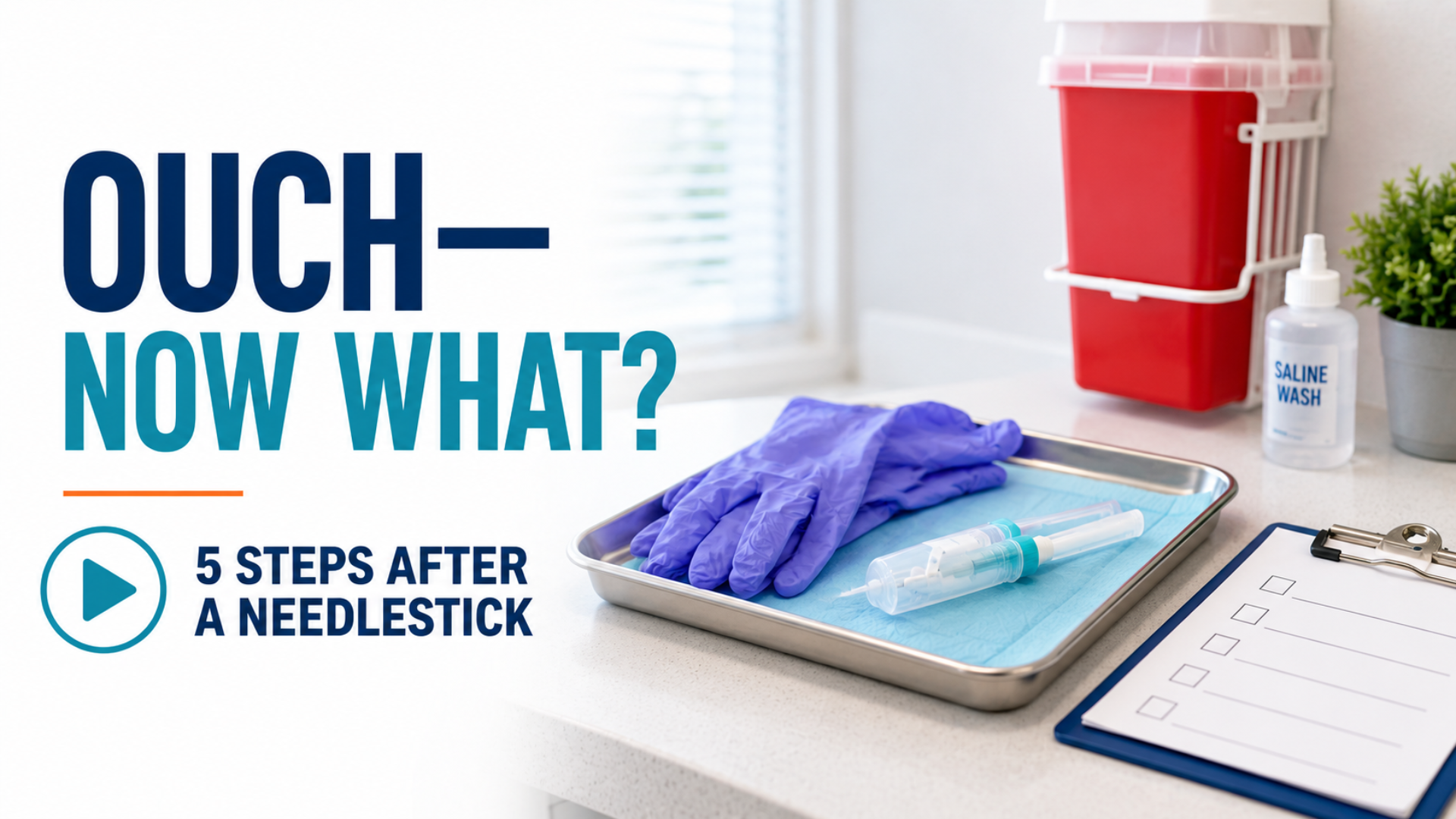
If a needlestick happened today, would your team know exactly what to do next—or lose critical time figuring it out?
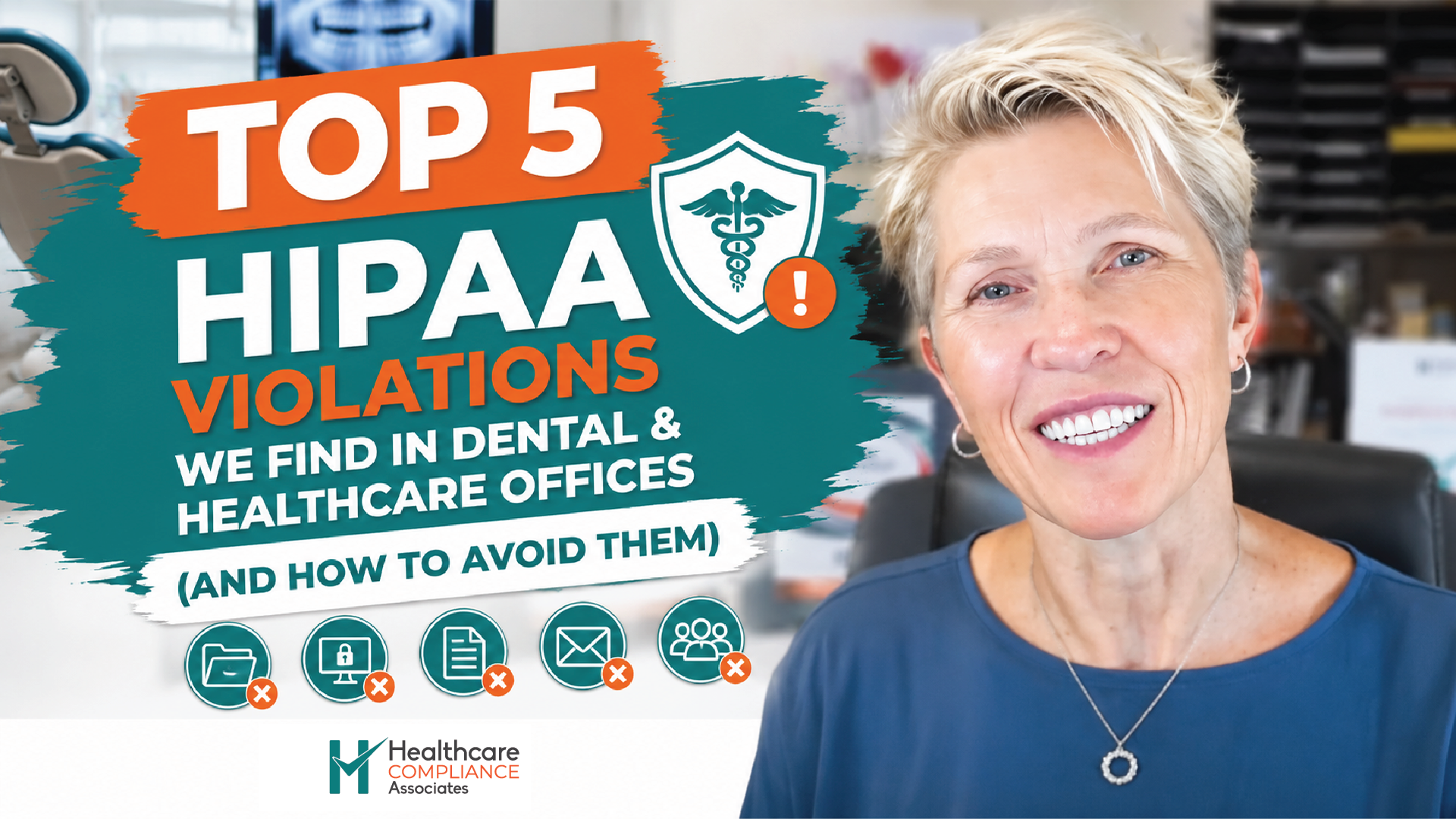
Small compliance mistakes can lead to big consequences. Learn what to watch for and how to protect your practice.
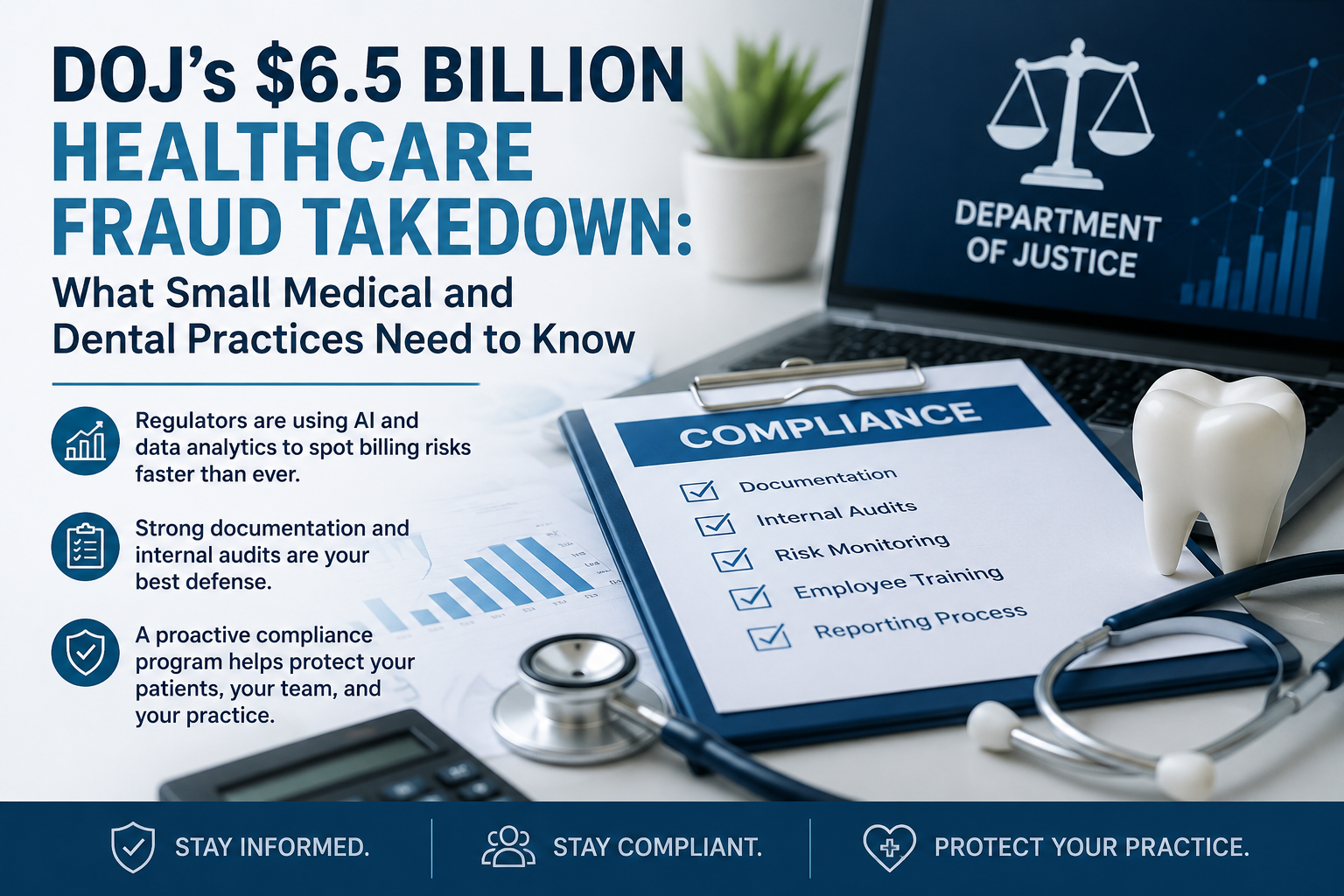
The largest healthcare fraud investigation in U.S. history offers valuable compliance lessons for small medical and dental practices. Here's what every practice owner and office manager should know.
If OSHA walked into your dental or healthcare office tomorrow, would your team know what to do?
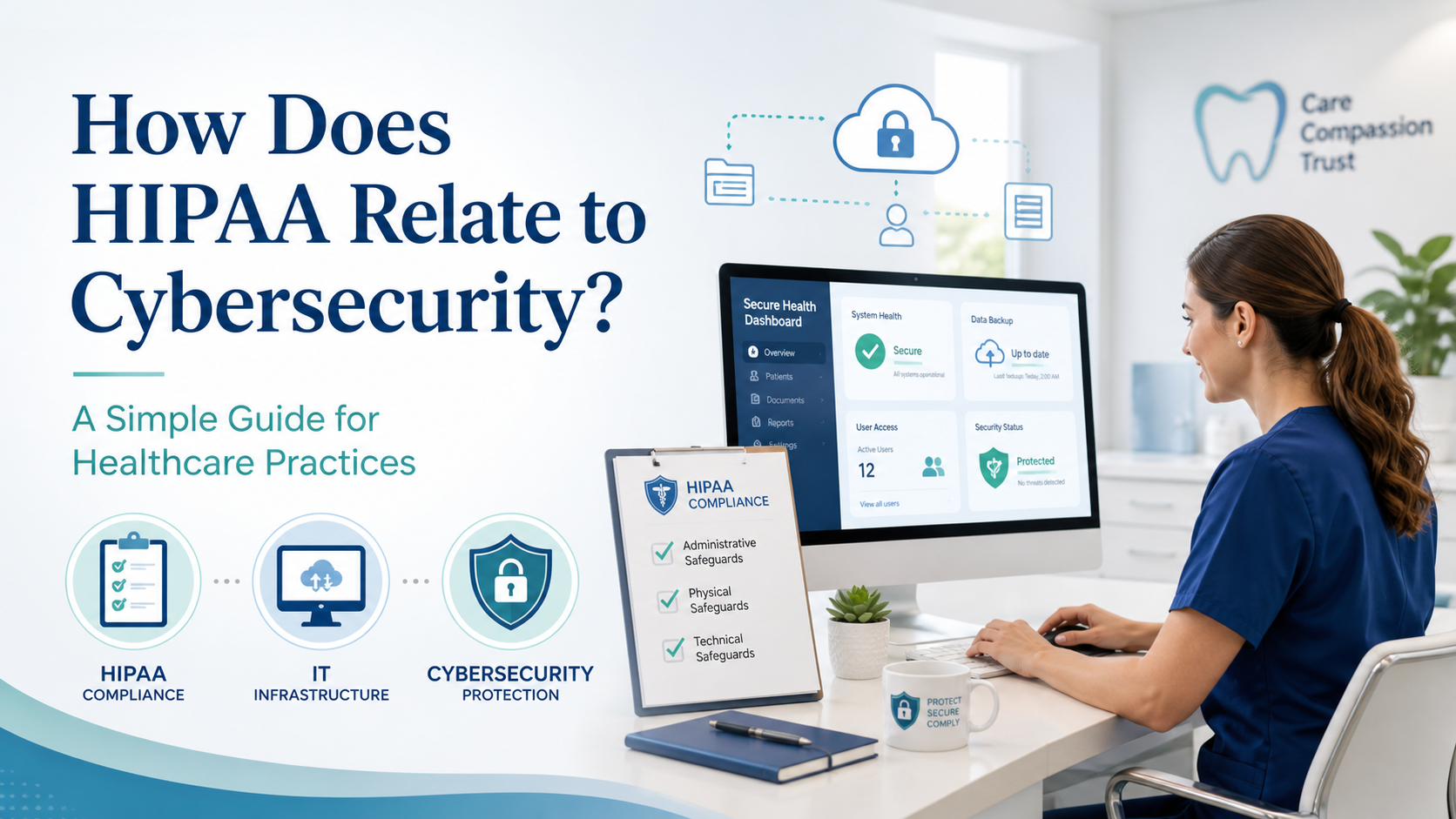
HIPAA, IT, and Cybersecurity: What Healthcare Teams Need to Know
HIPAA Compliance for Healthcare Practices starts with identifying hidden gaps. Learn the 3 hidden compliance gaps commonly found and how to address them.

Small dental and healthcare clinics have enough on their plate without worrying about OSHA citations. Beyond avoiding fines, workplace safety is essential for protecting your team and fostering a culture of care, responsibility, and professionalism. Whether you’re new to managing compliance or just need a refresher, here are five key OSHA must-haves for 2025: 1. Bloodborne Pathogens & Sharps Safety Train annually (yes, every year!) on how to handle exposure risks Keep a current Exposure Control Plan Offer the hepatitis B vaccine series and document refusals Ensure every employee with face-to-face patient contact has a documented TB test, as required for healthcare settings 2. Hazard Communication Make sure your team knows where SDS sheets are stored and how to read them Label secondary containers clearly Train new staff on chemical hazards—before their first exposure 3. PPE Use and Fit Gloves, eye protection, masks, gowns: who wears what, and when? Train staff on how to properly don and doff PPE Conduct hazard assessments to justify PPE use 4. Emergency Action Plans Fire evacuation, exit routes, and emergency contacts should be posted and known Conduct brief Emergency Action Plan refreshers annually (many offices forget this!) 5. OSHA Documentation & Inspection Prep Keep training logs, incident reports, and written plans accessible Know what to do if an inspector shows up—who talks to them, what documents to provide Bonus: Don’t Let OSHA Be a Surprise Most OSHA citations in small clinics are for things like: Failure to document regular safety meetings Missing training records No exposure control plan Blocked exits Failing to flush eye wash stations Why OSHA Compliance Matters More Than Ever in 2025 OSHA doesn’t have to be overwhelming. With a little preparation and the right tools, you can create a safe, compliant workplace and avoid costly mistakes. Want help with your OSHA binder, policies, or staff training? Reach out—we make compliance doable for busy healthcare teams. This post was drafted with assistance from AI and reviewed by a compliance professional to ensure accuracy and relevance for healthcare practices.
Learn what patching vulnerabilities means for dental and small healthcare practices, who owns it, how often to patch, and what OCR expects after ransomware.
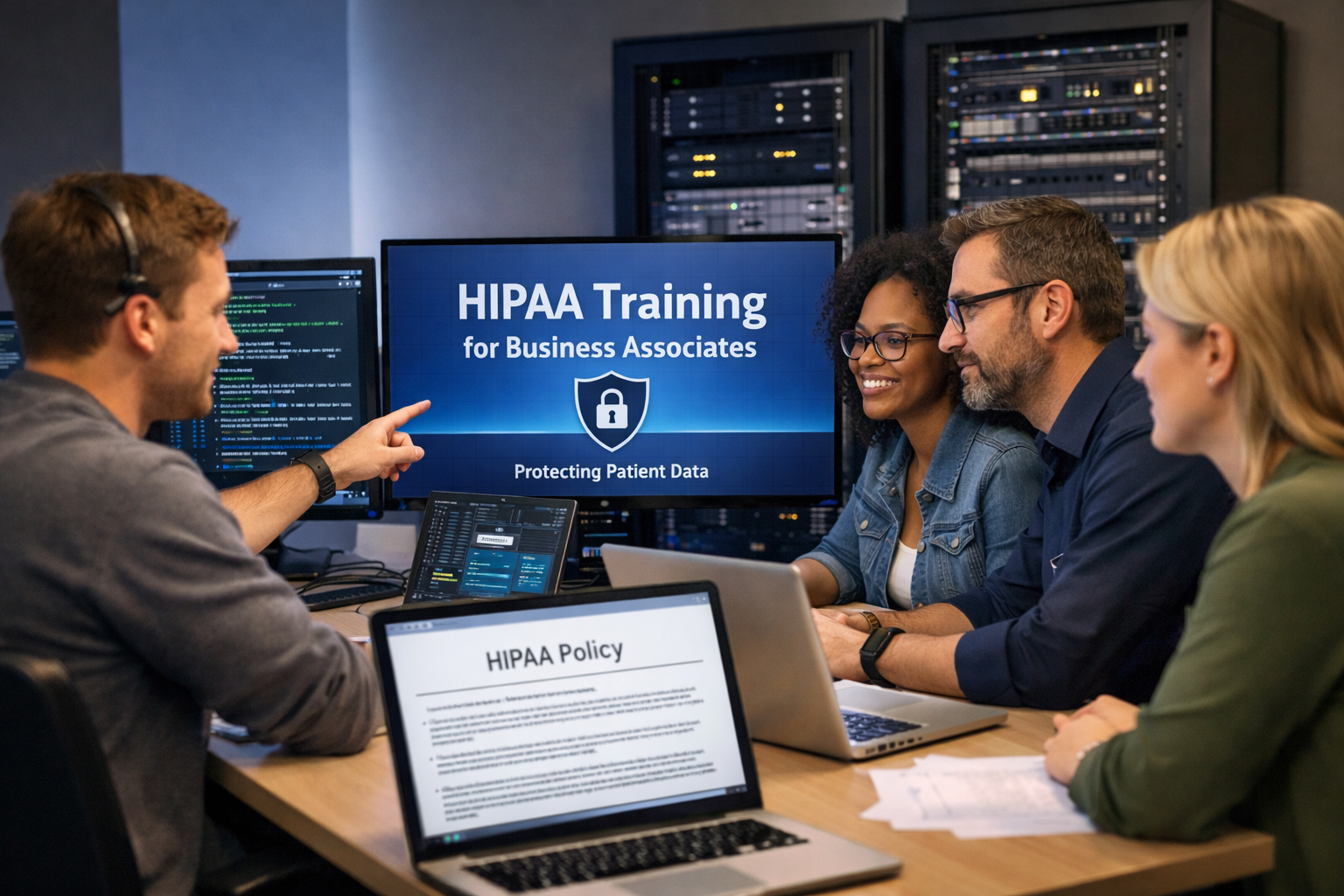
Many tech companies and vendors don't realize HIPAA applies to them. Learn if you're a Business Associate and what training your workforce needs to avoid fines.
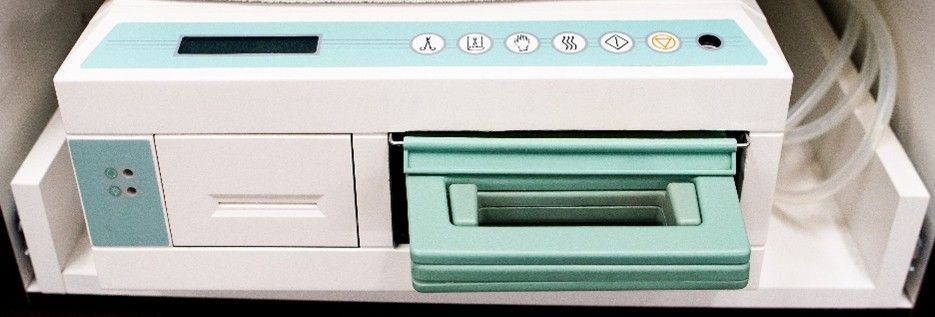
In fast-paced dental and medical clinics, it’s tempting to rely on a STATIM sterilizer—a type of immediate-use steam sterilizer—to quickly process instruments. But using this device appropriately is critical to patient safety and regulatory compliance. This post breaks down when and how to use STATIM sterilization based on CDC flash sterilization guidelines, helping small healthcare practices stay compliant without cutting corners. What Is an Immediate-Use Steam Sterilizer (STATIM)? A STATIM sterilizer is a specialized piece of equipment used for immediate-use steam sterilization (IUSS), formerly known as flash sterilization. It’s designed to rapidly sterilize medical and dental instruments that are urgently needed for patient care—not for routine or convenience-based use. When Is It Acceptable to Use a STATIM Sterilizer? According to CDC sterilization standards, STATIM use is acceptable only when: • The instrument is urgently needed and there’s no time to sterilize using standard packaging and storage methods. • It’s not being used to compensate for having too few instrument sets or to save time during busy periods. CDC Guidelines for Flash Sterilization: What You Must Do Following these steps will help you stay compliant with CDC and OSHA infection control requirements: 1. Limit Usage to Urgent Needs Only use STATIM sterilization for instruments needed immediately for patient care. 2. Do Not Use for Convenience Avoid using it as a way to speed up workflow or compensate for inadequate inventory. 3. Thoroughly Clean Instruments First All instruments must be fully cleaned and decontaminated before entering the STATIM cycle. 4. Do NOT Store Unwrapped Items After sterilization, transfer instruments (or handpieces) directly to the point of use in a sterile container or tray. Never store unwrapped items. 5. Use Approved Containers Only Only use flash sterilization containers or trays designed for high-temperature steam. 6. Monitor All Sterilization Cycles • Use biological indicators at least weekly. • Use chemical and mechanical indicators in every STATIM cycle. 7. Prevent Contamination During Transfer Maintain a clean transfer process. Ensure that items aren’t contaminated during handling or transport. Best Practices for STATIM Sterilizer Use in Dental and Medical Clinics • Keep backup instrument sets available to reduce reliance on immediate-use cycles. • Ensure staff are trained on STATIM operation and CDC sterilization protocols. • Document and log every STATIM cycle, including indicator results. • If your clinic is frequently using the STATIM for convenience or to keep up with patient flow, consider investing in an additional autoclave to support proper instrument processing and reduce compliance risks. Learn More from the CDC For detailed guidance on sterilization in healthcare settings, visit the CDC’s official page: 🔗 CDC Sterilization Guidelines Strong infection control isn’t just about guidelines— it’s about how your dental practice operates day to day. The way instruments are handled, PPE is used, and procedures are carried out in the clinical space affects both infection control and OSHA compliance. Issues in these areas are often identified during OSHA inspections, exposure incidents, or infection control reviews. Our FREE OSHA Compliance Risk Review helps dental practices understand how their safety and infection control efforts are functioning by identifying: Workflow or physical-space issues that may increase exposure risk OSHA gaps related to PPE, training, or exposure controls Areas where OSHA and CDC infection control expectations overlap It’s a simple, no-obligation way to confirm whether your safety systems support both staff protection and patient care. 👉 Schedule Your Free OSHA Compliance Risk Review