OSHA Inspection for Dental Offices: What Actually Happens (Oregon Guide)
If OSHA walked into your dental or healthcare office tomorrow, would your team know what to do?
Transcript
If OSHA walked into your dental or healthcare office tomorrow morning, would your team know what happens first?
One of the biggest reasons OSHA inspections feel stressful isn't necessarily because practices are unsafe. It's because most teams simply don't know what to expect. They don't know what inspectors ask for, how inspections usually unfold, or where small documentation issues can quickly create bigger problems.
And honestly, uncertainty creates anxiety.
Hi, I'm Kelli Ngariki, CEO of Healthcare Compliance Associates. In this article, I'm going to walk you through how OSHA inspections typically begin, what inspectors commonly review in healthcare and dental practices, and how organized offices make the process far less overwhelming.
How OSHA Inspections Usually Start
One thing many healthcare teams don't realize is that OSHA inspections often begin long before an inspector ever arrives at the office.
In dental and healthcare practices, inspections are often triggered by:
- Employee complaints
- Reports of workplace injuries or exposure incidents
- Follow-up inspections
- Unresolved safety concerns
- OSHA's scheduled inspection programs
Sometimes employees do raise concerns internally first. But when teams feel unclear about processes or believe concerns are not being addressed consistently, issues can escalate.
Now, that does not automatically mean the office is unsafe. Many practices are simply overwhelmed, understaffed, or operating reactively instead of proactively.
What Happens When OSHA Arrives?
Let's talk about what actually happens if OSHA arrives at your practice.
Typically, the inspection starts with what's called an opening conference. The inspector identifies themselves, explains the reason for the visit, and outlines what they'll be reviewing.
Then, they usually begin requesting documentation.
This is where many offices start feeling stressed—not necessarily because documents don't exist, but because nobody knows exactly where everything is.
Some of the most common items OSHA may request include:
- Bloodborne pathogens training and compliance records
- Your Exposure Control Plan
- Safety Data Sheets (SDS)
- OSHA injury logs (when applicable)
- Eyewash station maintenance and inspection records
- Personal Protective Equipment (PPE) policies
One thing we see often is practices doing many things correctly operationally but struggling with organization and documentation consistency.
If you're not sure where your practice stands today, we offer a free 20-minute compliance risk review. We'll help you identify potential gaps, understand your biggest risks, and prioritize practical next steps.
The Walkthrough Process
After the documentation review, inspectors often perform a walkthrough of the practice.
During this part of the inspection, they're evaluating whether safety systems are being implemented consistently in daily operations.
Common areas that may be reviewed include:
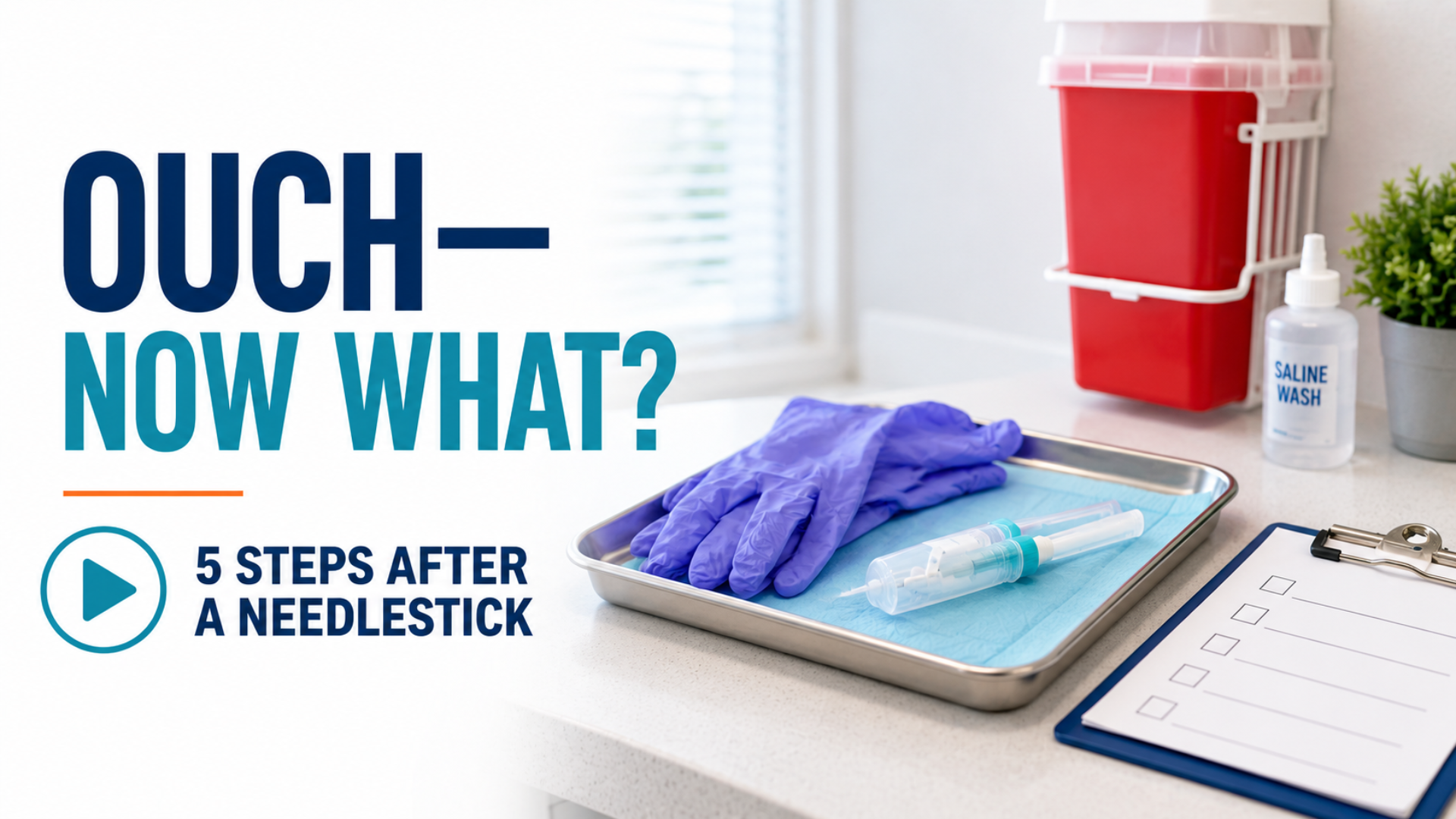
- Sharps disposal
- Eyewash stations
- PPE accessibility
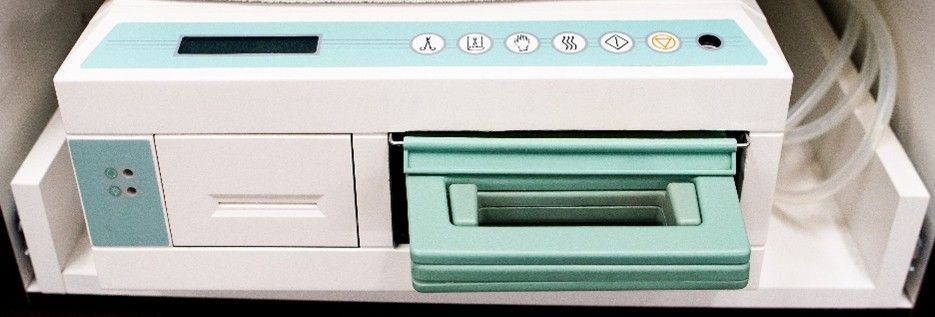
- Sterilization areas
- Chemical labeling
- Employee safety practices
Honestly, some of the most common problems are surprisingly small:
- Overfilled sharps containers
- Blocked eyewash stations
- Missing labels
- Outdated documentation
- Employees unsure about reporting procedures
These issues usually don't occur because teams don't care. Rather, small operational details can slowly drift over time in busy practices.
What Staff Should Do During an Inspection
One of the most helpful things practices can do is prepare employees before an inspection ever happens.
When people feel unsure, they tend to panic, overexplain, or guess.
A few important reminders for teams:
- Stay calm
- Answer honestly
- Don't guess if you're unsure
- Answer only the questions being asked
- Know who the safety officer is
- Know where documentation is stored
Inspections usually go much more smoothly when offices have clear systems, organized records, and employees who understand the practice's safety processes.
How Organized Practices Prepare
The offices that handle inspections best are usually not perfect offices—they're organized offices.
They have:
- Centralized documentation
- Scheduled training
- Visible safety systems
- Routine walkthroughs
- Clear accountability
One of the biggest mindset shifts practices can make is understanding that compliance should not rely entirely on memory. It should rely on written, documented systems.
When systems are visible and repeatable, inspections stop feeling like emergencies.
Final Takeaway
If there's one thing I want healthcare and dental practices to remember, it's this:
Most OSHA inspections become stressful when offices are unclear, disorganized, or reactive—not because practices are bad and not because teams don't care.
Most healthcare teams care deeply about safety.
The real challenge is creating systems that stay consistent during busy operations, staffing changes, and stressful days.
If this article helped you feel more prepared, subscribe for more practical OSHA, HIPAA, and infection control guidance designed specifically for real healthcare operations.